Anua Heartleaf Pore Control Cleansing Oil Review 2026: Worth The Hype?
Korean skincare keeps giving us viral products, and the Anua Heartleaf Pore Control Cleansing Oil sits at the top of that list. You have probably seen it on TikTok, Instagram, and every K beauty roundup since 2023.
But is this cleansing oil truly worth your money? I tested it for several weeks on combination skin with active blackheads. I also compared it against other popular Korean cleansers. This review covers everything you need before adding it to your cart.
You will learn about the formula, real results, who should use it, and which alternatives match your skin type. Let us get into the full breakdown.
In A Nutshell
- The Anua Heartleaf Pore Control Cleansing Oil uses 77 percent heartleaf extract to calm redness while removing makeup, sunscreen, and sebum in one step.
- Clinical testing showed a 22.8 percent reduction in sebum amount, making it strong for oily and combination skin types.
- The texture is lightweight and water like, not heavy or greasy, and it emulsifies into a milky lather with water.
- It works as the first step in a double cleanse routine, lifting blackheads and clogged pores over time without stripping skin.
- Some users with very acne prone skin report breakouts due to ethylhexyl palmitate, so a patch test is smart.
- The price sits around 18 to 22 dollars for 200ml, giving solid value compared to luxury cleansing oils.
What Is Anua Heartleaf Pore Control Cleansing Oil?

Last update on 2026-06-08 / Affiliate links / Images from Amazon Product Advertising API
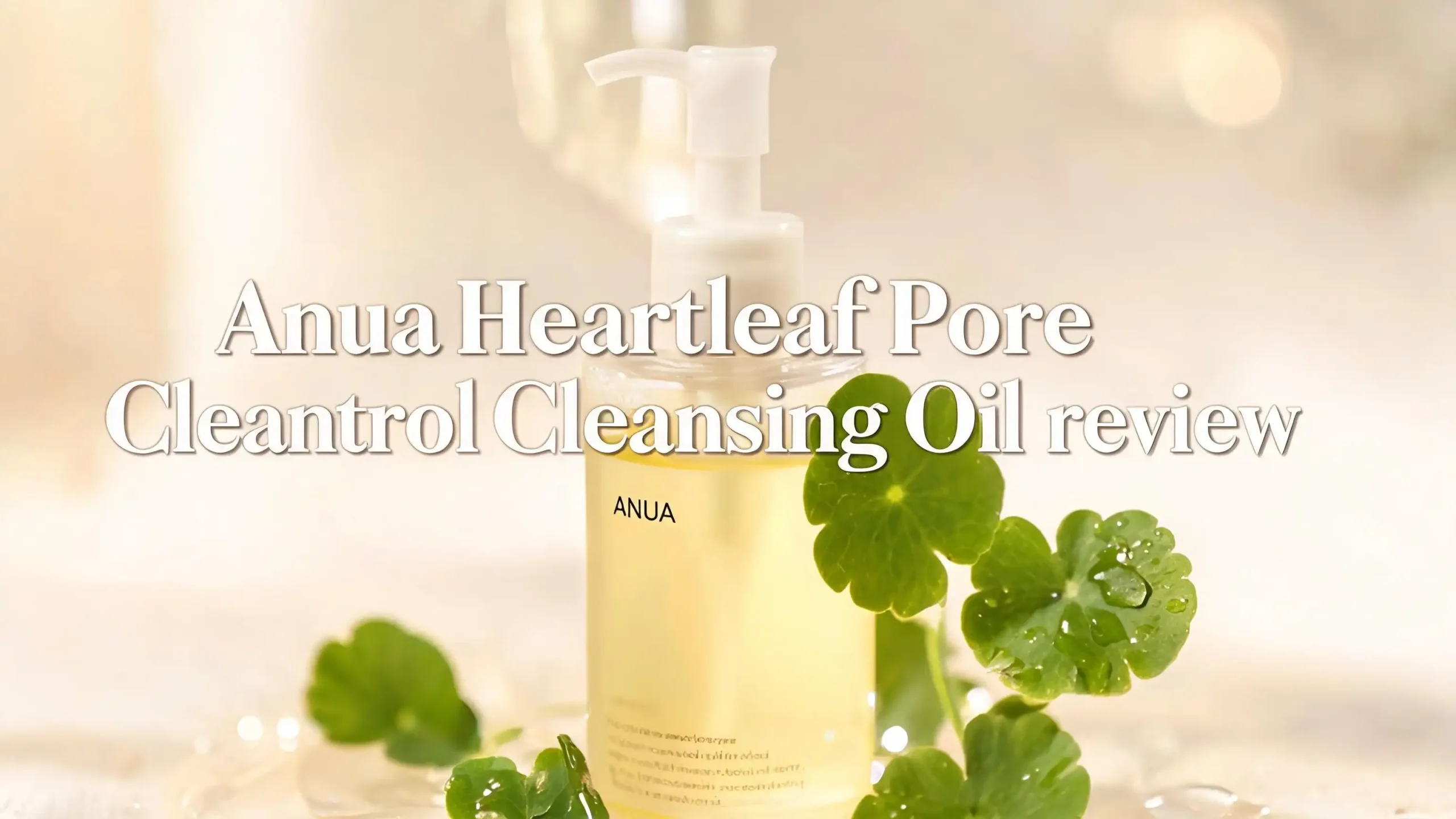
Anua is a Korean skincare brand focused on gentle, plant based formulas. The Heartleaf Pore Control Cleansing Oil is their flagship product. It launched in the West around 2022 and exploded on social media shortly after.
The formula centers on Houttuynia Cordata, also known as heartleaf extract. This ingredient calms inflammation and supports oily skin. The oil also contains sunflower seed oil, jojoba seed oil, and PEG emulsifiers that rinse cleanly.
It comes in a 200ml pump bottle. The texture is thin, almost watery, and the scent is mild and herbal. The product targets people who deal with blackheads, sebum buildup, and clogged pores. It works as a first cleanse before your gel or foam wash. One pump removes sunscreen. Two pumps handle a full face of makeup.
Key Ingredients That Make It Work
The ingredient list reads like a calm, clean Korean formula. Heartleaf extract leads at 77 percent concentration, which is unusually high for a cleansing oil.
Sunflower seed oil supplies linoleic acid, which oily skin types often lack. Jojoba seed oil mimics the skin’s natural sebum, so it dissolves clogged pores without stripping. Squalane adds light hydration, and panthenol soothes irritation after rinsing.
The formula avoids fragrance, alcohol, and essential oils. That keeps it gentle for sensitive types. However, it does contain ethylhexyl palmitate, an ester that some acne prone users find comedogenic. This is worth noting if you break out easily from oils.
The cleansing agents are PEG 20 glyceryl triisostearate and a few similar emulsifiers. These let the oil rinse off completely with water. No greasy film, no stinging eyes, no residue on your towel.
Texture, Scent, And First Impressions
The first thing I noticed was how thin the oil feels. It is not thick or syrupy like traditional cleansing oils. It glides across the skin like a serum, which makes massage easier.


Last update on 2026-04-11 / Affiliate links / Images from Amazon Product Advertising API
The scent is light and earthy. Some people describe it as slightly grassy or herbal. There is no perfume, which is a relief for sensitive noses. The smell fades quickly once you rinse.
The pump dispenses the right amount with one push. Two pumps are enough for a full face of foundation, mascara, and SPF. The bottle is frosted glass with clean black labeling, and it looks premium on a bathroom shelf.
When water hits the oil, it turns into a soft milky emulsion. This is the sign that the cleanser is binding with impurities and lifting them off. It rinses without leaving any slick coating, which I appreciate.
How To Use It Correctly
Apply the oil to dry skin and dry hands. This is the most important step. Water deactivates the oil before it can break down sunscreen or makeup.
Pump two to three times into your palm. Massage gently across your face for about 60 seconds. Focus on the nose, chin, and forehead where blackheads gather. Move in small circles to lift gunk from pores.
Next, wet your fingertips and keep massaging. The oil turns milky as it emulsifies. Rinse with lukewarm water until your face feels clean but not tight.
Follow with a water based cleanser like a gel or foam. This is the second step of double cleansing. It removes any leftover residue and preps your skin for serums. Use the oil once daily at night, or twice if you wear heavy makeup or sunscreen.
Top 3 Alternatives For Anua Heartleaf Pore Control Cleansing Oil
If Anua does not match your skin or budget, these three options work just as well.

Last update on 2026-06-09 / Affiliate links / Images from Amazon Product Advertising API

Last update on 2026-06-09 / Affiliate links / Images from Amazon Product Advertising API

Last update on 2026-06-09 / Affiliate links / Images from Amazon Product Advertising API
The Manyo Pure Cleansing Oil is the cult Korean classic. It uses papaya extract and plant oils to dissolve makeup. Many reviewers prefer it over Anua for sensitive skin.
The Banila Co Clean It Zero Original Cleansing Balm is a sherbet style balm. It melts on contact and removes even waterproof mascara without effort. Great for dry skin types.
The DHC Deep Cleansing Oil is the Japanese gold standard. It uses olive oil and vitamin E for a richer, more nourishing cleanse. Best for mature or dry skin.
Real Results After 4 Weeks Of Use
I used the Anua oil every night for four weeks. My skin type is combination with an oily T zone and visible blackheads on the nose.
Within the first week, my skin felt noticeably cleaner before bed. Sunscreen and SPF residue rinsed off completely. By week two, my blackheads looked smaller, especially around the nose creases.
By week four, my pores appeared visibly less congested. The texture on my forehead smoothed out, and I had fewer small bumps. My skin did not feel tight or stripped after rinsing, which is a green flag for any cleanser.
I did not experience breakouts, but I have a medium tolerance for facial oils. Friends with sensitive acne prone skin should patch test for one week before committing. Overall, the results match the brand’s clinical claim of a 22.8 percent sebum reduction.
Who Should Use This Cleansing Oil
This product fits a wide range of skin types, but some benefit more than others. Oily and combination skin types see the strongest results. The heartleaf extract calms breakouts while the oil dissolves trapped sebum.
People who wear daily SPF or heavy makeup will love how easily it melts everything off. One pass removes a full face, including waterproof mascara and tinted sunscreen.
Those with blackheads, clogged pores, or shiny T zones are the ideal customers. The formula targets congestion without harsh actives or exfoliants.
If you have dry or mature skin, you may want a richer balm like Banila Co or DHC instead. The Anua oil cleanses well but does not leave a hydrating film. Sensitive skin types should try the Anua Mild version of this oil, which uses gentler emulsifiers and skips fragrance entirely.
Who Should Skip It
No product works for everyone, and that is true for this one too. People with severely acne prone skin should approach it cautiously.
The formula contains ethylhexyl palmitate, an ester that can clog pores in some users. Reddit threads include reports of breakouts after extended use. If you know you react to this ingredient, pick a different cleanser.
Those with very dry or eczema prone skin may find it stripping. The oil rinses too clean, leaving no comforting layer behind. A balm or cream cleanser would suit you better.
People who do not wear makeup or sunscreen daily may not need an oil cleanser at all. A simple gentle water based cleanser would do the job. Save your money and skip the double cleanse if your skin stays clean naturally.
Anua Heartleaf Cleansing Oil Vs Manyo Pure Cleansing Oil
These two are the most compared Korean cleansing oils on the market. Both rinse clean, both target blackheads, and both cost around 20 dollars.
Last update on 2026-06-09 / Affiliate links / Images from Amazon Product Advertising API
The Manyo Pure Cleansing Oil uses papaya extract and a blend of jojoba, olive, and rosehip oils. It feels slightly richer than Anua and is often praised for sensitive skin. Many users say it caused fewer breakouts compared to Anua’s formula.
The Anua oil, on the other hand, is lighter and more watery. It targets oily skin specifically with its 77 percent heartleaf extract. If you deal with redness or active inflammation, Anua wins on calming benefits.
For dry or sensitive skin, choose Manyo. For oily, blackhead prone skin, choose Anua. Both are excellent, and you cannot go wrong with either pick.
Pricing And Where To Buy
The Anua Heartleaf Pore Control Cleansing Oil retails between 18 and 22 dollars for the 200ml bottle in the United States. That works out to roughly 9 cents per milliliter, which is solid value for a Korean cleanser.
You can buy it directly from Amazon, Ulta Beauty, YesStyle, and the official Anua website. Amazon offers the fastest shipping for Prime members. Ulta runs frequent sales and offers reward points if you shop there often.
A bottle lasts most users about 3 to 4 months with nightly use. That brings the monthly cost down to under 6 dollars, which is cheap for a daily skincare staple. Look out for bundle deals that pair the cleansing oil with the Heartleaf Toner or Quercetinol Pore Pads.
Avoid unverified sellers on third party platforms. Counterfeit Korean skincare is a real problem, and buying from official retailers protects you.
Common Mistakes When Using Cleansing Oil
Many beginners use cleansing oils incorrectly and miss the full benefit. The first mistake is applying it to wet skin. Always start with dry skin and dry hands.
The second mistake is rinsing too quickly. The oil needs at least 60 seconds of massage to break down sunscreen and makeup fully. Rushing the step leaves residue behind.
The third mistake is skipping the second cleanse. Oil cleansers remove oil based gunk, but you still need a water based cleanser to remove sweat, dirt, and leftover emulsion. Without it, you may experience clogged pores.
The fourth mistake is using too much product. Two pumps work for most faces. More oil does not equal more cleansing. It just wastes the bottle and can leave a film.
Finally, do not use it in the morning. Morning skin only needs a gentle splash of water or a mild cleanser. Save the oil for night.
Pros And Cons Summary
Here is a quick rundown of what stood out during testing.
The pros include strong makeup removal, gentle heartleaf calming benefits, a clean rinse, and affordable pricing for the size. The lightweight texture works well for warm climates and oily skin. The pump bottle is hygienic and easy to use.
The cons include the presence of ethylhexyl palmitate, which may break out very acne prone users. The formula is not ideal for dry skin, since it does not leave a comforting layer. Some users dislike the herbal scent, although it fades quickly.
The bottle is glass, which means you should be careful in slippery bathrooms. Last, the formula may take a few weeks to show pore results, so patience matters.
Overall, the pros outweigh the cons for most users. This is a top tier daily cleanser at a reasonable price.
Final Verdict: Is It Worth Buying In 2026?
Yes, the Anua Heartleaf Pore Control Cleansing Oil is worth the hype in 2026. It still ranks among the best Korean cleansing oils for oily and combination skin.
The formula delivers on its promises. Pores look cleaner, sebum production drops, and makeup melts away with no fuss. The price stays fair, and the bottle lasts months.
I rate it 4.5 out of 5 stars. The half star deduction is for the ethylhexyl palmitate, which limits its use for severely acne prone skin. If that ingredient does not bother you, this oil deserves a place in your nightly routine.
For dry or sensitive skin, try the Anua Mild version or one of the alternatives listed above. For everyone else, this is a buy it again product. It earns its viral status through real performance, not just trendy marketing.
Frequently Asked Questions
Is Anua Heartleaf Pore Control Cleansing Oil good for acne prone skin?
It works well for mild to moderate acne prone skin. The heartleaf extract calms inflammation and reduces sebum. However, the formula contains ethylhexyl palmitate, which can break out very sensitive acne prone users. Patch test for one week first.
Can I use it as my only cleanser?
You can, but a double cleanse gives better results. Follow up with a water based gel or foam cleanser at night. This removes any leftover oil emulsion and keeps pores clear. In the morning, use only a mild water based cleanser.
Does it remove waterproof mascara?
Yes, it removes waterproof mascara, long wear foundation, and SPF in one step. Massage gently around the eye area for 30 seconds before rinsing. Avoid getting it directly into your eyes during the massage.
How long does one bottle last?
A 200ml bottle lasts most users 3 to 4 months with nightly use. If you use it twice daily, expect about 2 months of use. The pump dispenses a controlled amount, which prevents waste.
Is it safe for sensitive skin?
The original version works for many sensitive types thanks to the high heartleaf content. However, those with very reactive skin should try the Anua Heartleaf Pore Cleansing Oil Mild version. It uses gentler emulsifiers and skips potential irritants.
Where is Anua manufactured?
Anua products are formulated and manufactured in South Korea. The brand follows Korean skincare safety standards and is cruelty free. The packaging is also designed to be recyclable where possible.
Can pregnant women use it?
The ingredient list does not contain retinoids, salicylic acid, or other pregnancy restricted actives. Most dermatologists consider it safe during pregnancy. Always confirm with your doctor before adding any new product to your routine.
Does it expire?
The unopened bottle stays good for about 3 years from the manufacturing date. Once opened, use it within 12 months for best results. Check the small jar symbol on the back of the bottle for the period after opening guidance.

Hi, I’m Rachel Powell, the founder and creative mind behind FashionBeautyLooks.com. With a passion for all things fashion and beauty, I’ve dedicated my career to helping others discover their unique style and enhance their natural beauty.