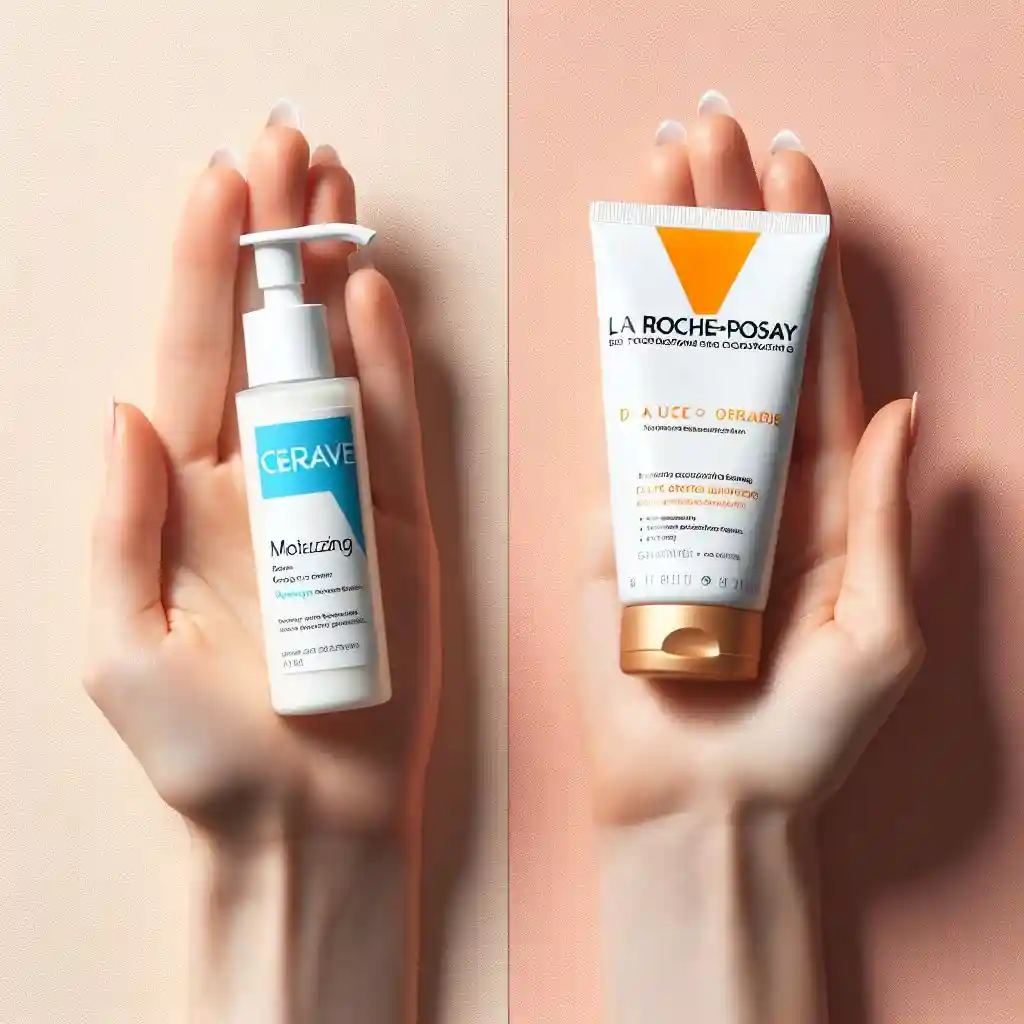
Cerave vs La Roche-Posay: Which One Suits You Better?
Cerave vs La Roche-Posay: When it comes to skincare, choosing the right products can be overwhelming with so many options available in the market.
In this comprehensive guide, we will delve into the differences between Cerave vs La Roche-Posay to help you make an informed decision on which brand might be best suited for your skincare needs.
Cerave vs La Roche-Posay: A Quick Comparison
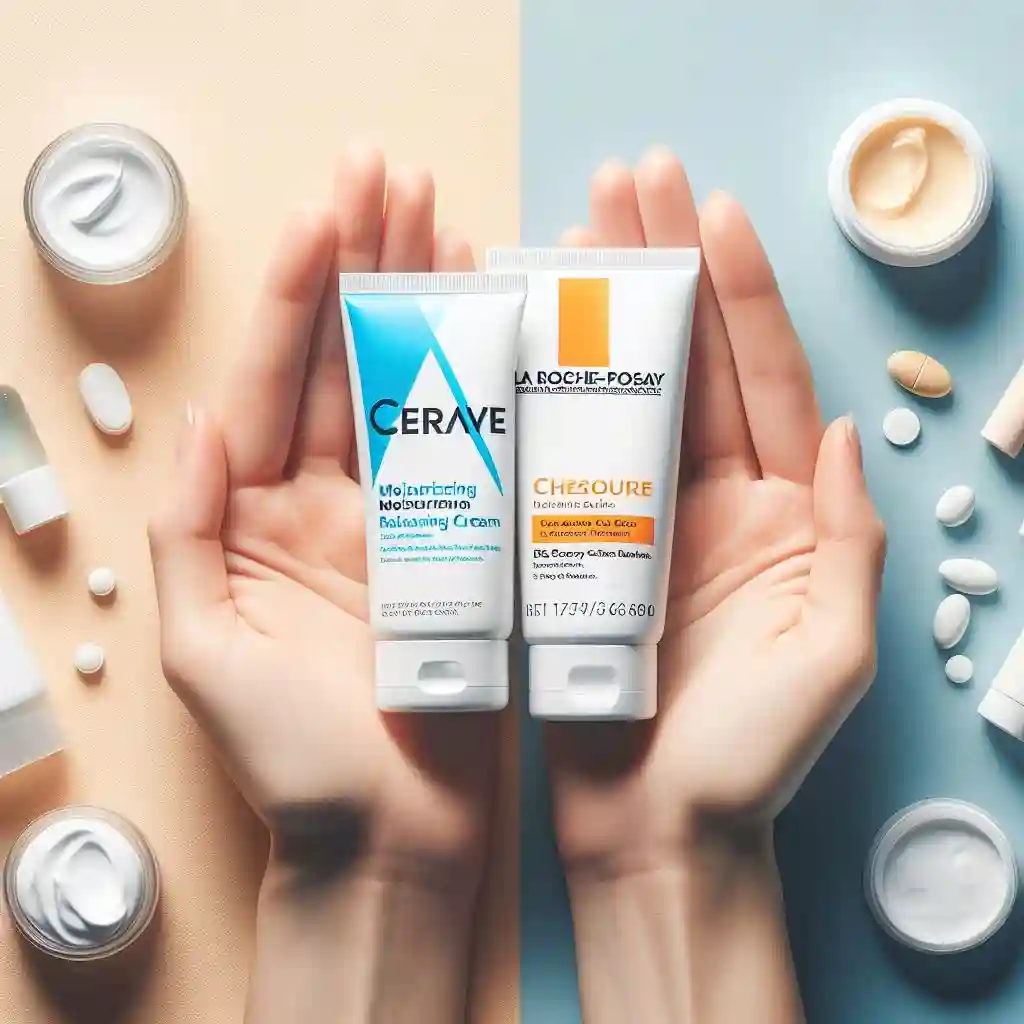
When deciding between Cerave and La Roche-Posay, it’s helpful to look at some key differences at a glance:
Philosophy and Heritage:
- Cerave focuses on restoring and maintaining the skin’s natural barrier with ceramides.
- La Roche-Posay centers around the soothing and antioxidant properties of thermal spring water.
Star Ingredients:


- Cerave: Ceramides, Hyaluronic Acid, Niacinamide.
- La Roche-Posay: Thermal Spring Water, Niacinamide, Selenium.
Product Diversity:
- Cerave offers a broad range of products catering to general skincare needs, emphasizing moisture and barrier repair.
- La Roche-Posay provides a wide variety but with a strong emphasis on formulations for sensitive and problem skin conditions.
Texture and Feel:
- Cerave products are generally designed for deep hydration with a focus on comfort, ideal for normal to dry skin.
- La Roche-Posay tends to have lighter textures that are particularly suitable for sensitive or oily skin.
Target Concerns:
- Cerave is celebrated for its effectiveness against dryness and compromised skin barriers.
- La Roche-Posay excels in formulations aimed at reducing sensitivity, redness, and acne.
Brand Philosophy and History
Cerave, developed with dermatologists, bases its philosophy on the power of ceramides to rejuvenate the skin’s natural barrier, promoting a healthy complexion.
Since its inception, Cerave has been dedicated to providing affordable, accessible skincare that incorporates advanced scientific knowledge into each product.
La Roche-Posay, hailing from the heart of France, has woven the unique soothing properties of thermal spring water into the DNA of its skincare line.
Celebrated for its antioxidant-rich formulas, La Roche-Posay has long stood on the front lines of innovation in dermatological science, focusing on products that offer relief and results to those with sensitive skin types.


Both brands share a commitment to delivering gentle, yet effective skincare solutions, drawing on unique ingredients and a deep understanding of skin health to cater to a wide array of skincare needs.
Key Ingredients and Formulations

Diving into what sets each brand apart, let’s talk about the key players in their formulations. Cerave shines with its trio of essential ceramides, hyaluronic acid, and niacinamide, which are the cornerstone ingredients that help keep your skin hydrated and the barrier strong.
This brand leverages science to ensure your skin gets the best support for repairing and maintaining its protective barrier. On the flip side, La Roche-Posay champions its unique thermal spring water, known for its natural soothing and antioxidant properties.
They also make use of niacinamide, alongside potent antioxidants like vitamins C and E, to combat aging and soothe the skin. This fusion of ingredients underscores La Roche-Posay’s commitment to nurturing sensitive and stressed skin with every application.
Both brands meticulously blend science and nature to cater to your skin’s needs, focusing on innovative, skin-friendly ingredients that aim to leave your complexion feeling refreshed and revitalized.
Range of Products and Their Best-Sellers
Exploring the array of offerings from Cerave and La Roche-Posay reveals a treasure trove of skincare gems.
Cerave is well-loved for its expansive lineup, which spans from hydrating cleansers to rich moisturizers and protective sunscreens. Notably, their Moisturizing Cream and Hydrating Cleanser stand out as crowd favorites, acclaimed for their ability to nourish skin without heaviness.
On the other side, La Roche-Posay captivates with its own versatile range, including the renowned Anthelios sunscreen collection and the gentle Toleriane cleanser, both celebrated for their efficacy, especially among those with sensitive or reactive skin.
Each brand boasts formulations that cater to various skincare needs, ensuring there’s something for everyone.
Texture and Application
Navigating the world of skincare textures can sometimes feel like a culinary adventure – you’re always on the hunt for that perfect consistency that feels just right on the skin. Cerave steps up to the plate with formulas that are akin to a gentle, refreshing breeze against your face.
Their products glide on with ease, absorbing quickly to leave no trace of greasiness, only comfort and hydration. In contrast, La Roche-Posay treats your skin to a soothing embrace, with light, absorbent textures that vanish into the skin, leaving a velvety smooth finish.
Both brands have mastered the art of creating products that apply effortlessly, ensuring your skincare routine feels less like a chore and more like a pampering session. This focus on user experience makes incorporating either brand into your daily regimen a seamless, enjoyable process.
Efficacy on Different Skin Types
Navigating the world of skincare can be tricky, especially when considering how different products interact with various skin types.
Cerave is a beacon of hope for those battling dryness and seeking to bolster their skin’s natural barrier, thanks to its deeply hydrating formulas enriched with ceramides and hyaluronic acid. Its gentle approach makes it a favorite among those with sensitive skin as well.
In contrast, La Roche-Posay has carved out a niche for itself by offering solace to those with sensitive and acne-prone complexions. Their formulations, imbued with the soothing thermal spring water and a thoughtful selection of antioxidants, work wonders in calming irritation and tackling blemishes without harshness.
While both brands cater to a spectrum of skin concerns with their inclusive product lines, understanding your skin’s unique needs is key to choosing the right brand to incorporate into your skincare routine.
User-Friendliness and Packaging
Navigating the aisles of skincare products, the packaging can sometimes be just as important as what’s inside. Both Cerave and La Roche-Posay understand this, focusing on creating designs that are as practical as they are appealing.
Cerave keeps it straightforward and functional, with a design language that speaks to its no-nonsense, science-backed ethos. Easy-to-use dispensers and squeeze tubes make application a breeze, ensuring you get the right amount every time without any wastage.
La Roche-Posay, while also valuing function, often adds a touch of elegance to its packaging, with sleek, minimalistic designs that look as good on your shelf as they feel on your skin. Their thoughtfully designed pump dispensers and precise applicator tips mean you’re always in control, reducing the chance of irritation from too much product use.
Both brands strive to ensure that their packaging contributes to the overall positive experience of taking care of your skin, reflecting their dedication to user satisfaction and ease of use.
Pricing and Accessibility
When it comes to finding skincare that won’t stretch your wallet too thin, Cerave stands out as a beacon of affordability and widespread availability. Their products are designed to be friendly on the budget, ensuring you don’t have to compromise on quality to maintain your skincare routine.
La Roche-Posay, while a bit pricier, still represents a great value for those looking to invest a little more in their skincare with the assurance of dermatologist-recommended ingredients and formulations.
Both brands are readily accessible, stocked in both online marketplaces and brick-and-mortar stores like drugstores and specialty skincare retailers.
This ease of access means that whether you’re doing a quick grocery run or browsing your favorite online shopping site, adding either Cerave or La Roche-Posay to your cart is just a few clicks or steps away.
Real-Life Results and Comparisons
Diving into the experiences of those who’ve tried Cerave and La Roche-Posay, a pattern emerges of genuine satisfaction and notable skin improvement. Cerave enthusiasts often highlight how their skin feels more hydrated and visibly smoother, crediting the brand’s ceramide-rich formulas.
Meanwhile, La Roche-Posay users rave about significant reductions in redness, sensitivity, and breakouts, attributing their success to the soothing thermal spring water and targeted treatments.
These firsthand accounts underscore the efficacy of both brands in addressing specific skin needs, reinforcing the notion that choosing between them hinges on personal skin concerns and goals.
Expert Opinions and Consumer Reviews
Skincare aficionados and dermatologists alike have weighed in, offering a treasure trove of insights into the effectiveness of Cerave and La Roche-Posay.
Many professionals point to Cerave’s scientifically-backed, ceramide-enriched products as a cornerstone for maintaining a healthy skin barrier, particularly praising its gentle yet potent formulas suitable for a wide range of skin types.
La Roche-Posay, with its thermal spring water-infused products, receives accolades for its ability to soothe and protect sensitive skin, with many highlighting its innovation in creating formulas that offer relief from irritation and blemishes.
Customer testimonials echo these sentiments, with numerous success stories circulating about the transformative effects of both brands on their skin’s health and appearance. Engaging in forums and review sections, consumers share detailed accounts of their experiences, often noting improvements in hydration, texture, and overall skin resilience.
This blend of expert endorsements and real-user feedback paints a vivid picture of the impact both brands can have on achieving a clearer, more radiant complexion.
Final Verdict: Which One Is Better?
Deciding between Cerave and La Roche-Posay ultimately boils down to what your skin craves most. If your skin leans towards the drier side or you’re in need of fortifying your skin’s barrier, Cerave’s moisture-rich, ceramide-packed options might be your match.
Meanwhile, if sensitivity and acne are your main concerns, La Roche-Posay’s lineup, infused with soothing thermal spring water and targeted treatments, could be the game-changer you need.
Each brand stands out for its commitment to effective, gentle skincare, making them both stellar choices. Your personal skincare journey, including factors like budget and specific skin needs, will guide you to the perfect pick. Happy skincare hunting!
FAQs
What skin types are Cerave and La Roche-Posay best for?
Cerave products are generally ideal for those with dry to normal skin, especially if you’re looking to enhance your skin’s natural barrier. La Roche-Posay is highly recommended for sensitive and acne-prone skin types, thanks to its soothing and anti-irritation properties.
Can I use Cerave and La Roche-Posay products together?
Absolutely! Many skincare enthusiasts mix and match products from both brands to tailor their skincare routine to their specific needs. Just be mindful to not combine products that might have conflicting ingredients or purposes.
Are both brands suitable for sensitive skin?
Yes, both brands offer options that are formulated with sensitive skin in mind. It’s always a good idea to patch test a new product before incorporating it into your routine fully.
How do I know which brand is right for me?
Consider your primary skin concerns and needs. If hydration and reinforcing the skin barrier are your priorities, Cerave might be your go-to. If you’re battling sensitivity and looking for soothing solutions, La Roche-Posay could offer the relief your skin craves.
Where can I purchase Cerave and La Roche-Posay products?
Both brands are widely available in drugstores, supermarkets, and online retailers. You can also find them in specialty skincare and beauty stores.

Hi, I’m Rachel Powell, the founder and creative mind behind FashionBeautyLooks.com. With a passion for all things fashion and beauty, I’ve dedicated my career to helping others discover their unique style and enhance their natural beauty.