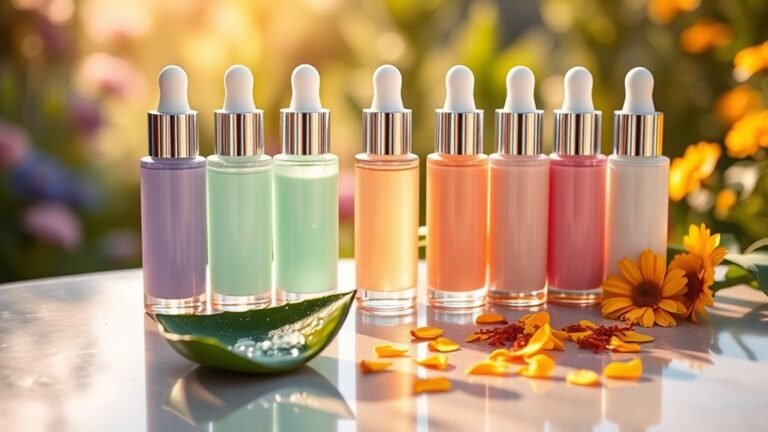
3 Best Color Correctors for Dark Circles
When choosing the best color correctors for dark circles, you’ll find that not all formulas are created equal; some contain ingredients like peach or orange hues designed to neutralize blue or purple tones, while yellow correctors brighten dullness, and pink or salmon shades work better on fair skin with blue shadows. Experts highlight products like the e.l.f. Camo, Becca’s under-eye correctors, and NYX alternatives, which combine lightweight textures and effective pigment to provide natural-looking brightness. But with so many options, understanding their ingredients and proper application can make a significant difference—yet, not all methods or formulas suit every skin tone equally. Keep exploring—your ideal solution might be just a few products away.
Colored CC Undereye Corrector for Dark Circles & Puffiness, Hydrating Concealer with Brush (Light-Medium Peach, Small)

If you need a quick way to brighten your under-eyes and reduce puffiness, the Colored CC Undereye Corrector in Light-Medium Peach might help. It’s small and easy to carry, perfect for on-the-go touch-ups. It feels light on the skin and gives a natural look. The color correction shades, from light to neutral, help even out skin tone around your eyes. The formula is silky and not heavy, so it won’t settle into fine lines. It also has a small brush that makes applying it simple and controlled. Plus, it hydrates your skin, which is helpful for quick fixes.
But keep in mind, this corrector might not fully hide very dark circles. Some people find it tricky to blend or notice it makes fine lines look more visible. The shade options may not match all skin tones, especially if you have darker discoloration.
Best for: People who want a lightweight, portable product to brighten their under-eye area and reduce puffiness quickly and naturally.
Pros:


- Corrects color precisely with shades from light to neutral
- Feels silky and lightweight, and helps hydrate skin
- Easy to use with a small brush for controlled application
Cons:
- Might not cover very deep or dark circles well
- Some find it hard to blend or see fine lines more clearly
- Not all shades suit every skin tone, especially darker skin
This corrector is a good choice if you want a simple, light product for quick, natural touch-ups.
e.l.f. Camo Color Corrector for Discoloration, Dullness & Redness

The e.l.f. Camo Color Corrector is a budget-friendly and lightweight product. It helps hide skin problems like discoloration, dullness, and redness. The formula is hydrating, made with hyaluronic acid and rose flower water. This keeps your skin moisturized while covering up imperfections. It feels comfortable on your skin all day long.
You can choose from five shades. Each shade is made to target specific problems like redness or dullness. The finish is full-coverage with a satin look. It naturally hides flaws without feeling heavy or looking cakey. It also doesn’t crease or settle into lines, which makes it look smooth and fresh.
This corrector works well for many skin types and tones. It blends easily and gives a natural look. But some people may find it a little heavy for everyday wear. Also, the limited shade options might not match everyone perfectly. If you have very tough discoloration, you might need special treatments.
Overall, it’s a good pick if you want an affordable, hydrating color corrector. It covers imperfections and leaves a natural, long-lasting finish.
Best for: Anyone looking for a low-cost, moisturizing product that hides redness, dullness, and discoloration with a natural look.


Pros:
- Hydrating, with hyaluronic acid and rose water
- Heavy-duty coverage with a satin finish
- Blends well for different skin tones and types
- Looks natural without cake or creases
Cons:
- Might feel a bit heavy for daily light coverage
- Has only five shades, so not perfect for everyone
- Might not work for very severe skin discoloration
This product is simple, effective, and good for everyday use if you want to correct skin color and keep your skin hydrated.
e.l.f. Camo Color Corrector, Hydrating & Long-Lasting Color Corrector for Discoloration, Dullness & Redness

The e.l.f. Camo Color Corrector is a moisturizing, long-lasting product. It helps hide discoloration, dullness, and redness on the skin. The formula is light and contains hyaluronic acid and rose water. These ingredients keep your skin moist and soft. It feels gentle and won’t make your skin greasy or heavy.
You can put it under your foundation or concealer. It gives full coverage with a smooth, satin finish. It won’t cake or crease as the day goes on. There are five shades to choose from. Each shade targets different skin problems, making it useful for many skin tones.
Some people might find the coverage a bit lightweight. If you need more coverage, you may want to layer it or add other products. Overall, it lasts long and keeps your skin hydrated.
This product is good for anyone who wants a moisturizing, long-lasting color corrector. It works well for hiding discoloration, dullness, and redness, no matter your skin tone.
Pros:
- Keeps skin moist with hyaluronic acid and rose water
- Light and easy to layer under foundation or concealer
- Lasts long with a smooth, satin finish
Cons:
- Coverage might be lighter than thicker products
- Only five shades are available
- You might need to add more layers for stronger correction
Factors to Consider When Choosing Color Correctors for Dark Circles
When choosing color correctors for dark circles, it’s essential to match the product to your skin’s undertone, whether cool, warm, or neutral, to achieve a natural look. You also need to evaluate the corrector shade—peach or orange hues work best for stubborn blue or purple tones, but selecting the right coverage level depends on how prominent your dark circles are. Additionally, pay attention to formulation compatibility and how long you want the effects to last, as lightweight options may blend seamlessly but might not last all day, while more durable formulas can sometimes feel heavier or less comfortable.
Skin Undertone Match
Matching your color corrector to your skin’s undertone is very important. It helps you get a natural look, especially when fixing dark circles. If your skin has warm tones, like peach or orange, these shades can cancel out the yellow or gold colors under your eyes. This makes you look fresh and awake.
If your skin has cool undertones, like pink or lavender, these shades work better. They help hide the bluish or purple colors that often appear under the eyes. People with neutral undertones can use many different shades. They have more choices and find it easier to pick the right corrector.
But even with neutral undertones, it’s good to pay attention to small differences. When you match your corrector closely to your skin tone, you don’t need to layer on a lot of product. This makes your skin look smooth and natural. It also stops the correction from looking obvious. Overall, finding the right undertone match helps your makeup blend well and look more natural.
Corrector Shade Selection
Choosing the right corrector shade is simple if you know a few tips. First, pick a color that matches the discoloration under your eyes. Different colors work for different skin tones and issues.
If you have medium to dark skin, use peach or orange correctors. They help hide blue or purple circles. For lighter skin with cool undertones, yellow or peach shades work well. They neutralize purple tones under your eyes.
Test your corrector in natural light or on your jawline. This helps you see if the color hides your dark spots without looking weird or too different from your skin.
It’s good to choose a corrector with enough pigment. More pigment covers better. But be careful—too much can make your skin look cakey or draw attention to fine lines. Use just enough to hide dark areas and blend well.
Coverage Level Needed
The amount of coverage you need depends on how dark your circles are. If your dark circles are mild, a light corrector can help brighten the area. It makes the circles less noticeable without feeling heavy or settling into fine lines. If your dark circles are more intense or have more pigment, then you need a thicker, more pigmented product. These work better to cover up the darkness completely. But be careful—too much product can make fine lines stand out or look cakey. The trick is to find a balance. Use enough coverage to hide the dark circles, but keep the product light enough so your skin looks natural. Sometimes, layering a little product and blending well gives the best result. Choose what works best for how dark your circles are and how your skin reacts. Remember, less can be more if you blend properly.
Formulation Compatibility
When choosing a color corrector for your dark circles, it’s important to pick the right one for your skin type and needs. If your skin is dry, look for hydrating formulas. These have ingredients like hyaluronic acid or glycerin, which help keep your skin soft and prevent dryness. If your skin is oily, go for oil-free options. These help control excess oil and shininess.
The texture of the corrector also matters. Light, silky formulas blend easily and give a natural look. Thicker creams can give more coverage if you need it.
Check the ingredients. If you have sensitive skin, avoid products with fragrances or alcohol. These can cause irritation. Also, make sure the corrector layers well under your concealer or foundation. It should not cake or crease and should help your makeup look smooth and natural.
Longevity Requirements
Long-lasting color correctors help your makeup stay fresh all day. Whether you’re at meetings in the morning or out in the evening, you want your makeup to look good the whole time. Pick products that don’t fade, crease, or transfer easily. Look for formulas with ingredients like silicone or polymers. These ingredients create a thin film that sticks to your skin without feeling heavy.
Reading reviews can help you see how well a corrector stays put. Find products that say they last a long time and resist sweat, oil, and humidity. Lightweight, hydrating formulas with a matte or satin finish usually last longer. They stick to your skin better without slipping or rubbing off.
Be careful with creamy or shiny textures. They tend to fade faster. Also, check for claims about how long the product lasts. If you can, test the corrector to see if it stays in place all day.
In short, choose a corrector with good staying power, and make sure to pick the right formula for your skin type. That way, your makeup stays fresh from morning to night.
Texture Preferences
The texture of your color corrector matters a lot. It depends on your skin type and what kind of discoloration you want to hide.
If your dark circles are really bad, a cream corrector works well. It’s thick enough to cancel out the dark color. But, it can feel heavy or make fine lines more noticeable if you aren’t careful when you put it on.
Liquid correctors are lighter. They blend easily and give a natural look. They are great if you want a light correction and don’t want your makeup to look cakey.
Gel correctors are in between. They stick well and are easy to put on smoothly. They work best if you have oily or sensitive skin.
Thick correctors can settle into small lines, especially on older skin. So, pick a texture that matches what your skin needs and how much correction you want. That way, you get good results and feel comfortable wearing it.
Ingredient Sensitivities
Since everyone reacts differently to ingredients, it’s important to check the label when choosing color correctors for dark circles. Some products have fragrances, dyes, or preservatives like parabens and phenoxyethanol. These can cause allergic reactions or skin irritation, especially if your skin is sensitive. Look for formulas that have soothing ingredients like aloe vera or chamomile. These can help calm your skin while hiding dark circles.
If you know you are allergic to certain ingredients, always read the list carefully. Testing a small spot on your skin before using the product on your face can help prevent bad reactions. Some correctors work well, but the ingredients matter. Choose products with good-quality, gentle ingredients for the best results.
Ease of Blending
When you want to blend color correctors into your skin smoothly, how the product feels is very important. Creamy or silky formulas usually spread easily and blend well. This makes your skin look even without patches or streaks. You can use your fingers, a brush, or a sponge to gently tap the corrector into your skin. This helps melt it in and creates a natural look.
It’s better to add the corrector in thin layers. Don’t put a lot at once. Instead, build it up slowly. This keeps your makeup from looking cakey and helps it blend better. A good texture also means you don’t have to blend too much, which can mess up your foundation or other makeup.
Once you finish blending, use a light layer of translucent powder. This helps keep the corrector in place and makes your makeup last longer. It also prevents creases on fine lines.
In short, the texture of the product and how you apply it are very important. They help you get a smooth, natural look with less effort.
Frequently Asked Questions
Can Color Correctors Completely Eliminate Dark Circles?
Color correctors can’t completely eliminate dark circles, but they markedly reduce their appearance when applied correctly. You should choose the right shade, blend well, and follow with your usual concealer for the best, natural-looking results.
How Long Do Color Correctors Typically Last on the Skin?
Color correctors usually last about six to eight hours on your skin, depending on your skin type, the formula used, and environmental factors like humidity and sweating, so you might need to touch up throughout the day.
Are Color Correctors Suitable for Sensitive Skin?
Yes, color correctors can be suitable for sensitive skin if you choose hypoallergenic, fragrance-free formulas. Always patch-test first, and opt for gentle ingredients to prevent irritation while effectively reducing dark circles or discoloration.
How Do I Choose the Right Color Corrector for My Skin Tone?
You choose the right color corrector by identifying your skin tone and specific concern. For fair skin, opt for peach or yellow; for medium, try apricot; and for deeper tones, consider orange or red shades.
Should Color Correctors Be Used Before or After Concealer?
You should apply color correctors before your concealer. This order helps neutralize discoloration effectively, allowing your concealer to blend seamlessly over the corrector. Make sure to blend well for a natural, flawless finish.

Hi, I’m Rachel Powell, the founder and creative mind behind FashionBeautyLooks.com. With a passion for all things fashion and beauty, I’ve dedicated my career to helping others discover their unique style and enhance their natural beauty.