10 Best Sneakers for Arch Support in 2026
Do your feet ache after a long day? You are not alone. Millions of people deal with arch pain, plantar fasciitis, and flat feet every single day. The right pair of sneakers can fix that problem fast.
We spent weeks researching, reading podiatrist recommendations, and comparing user reviews. This list features the 10 best sneakers for arch support in 2026.
Each shoe earned its spot based on comfort, durability, foot support technology, and real customer feedback. Whether you walk, run, or stand all day, there is a sneaker here for you.
Keep reading to find the perfect fit for your feet and your lifestyle.
1. HOKA Bondi 9: Best Overall Sneaker for Arch Support

Last update on 2026-06-09 / Affiliate links / Images from Amazon Product Advertising API
The HOKA Bondi 9 sits at the top of this list for good reason. It delivers maximum cushioning in a lightweight package. Podiatrists across the country recommend this shoe for people with arch pain and plantar fasciitis.
The midsole uses HOKA’s signature compression-molded EVA foam. This foam absorbs impact and distributes pressure evenly across your foot. The Meta-Rocker technology creates a smooth rolling motion from heel to toe, so each step feels effortless.
The upper is made from breathable engineered mesh. It keeps your feet cool and dry during long walks or runs. The padded tongue and collar add extra comfort around the ankle area. You also get a wide base for added stability.
This shoe weighs just over 10 ounces for a men’s size 9. That is impressive for a max-cushion sneaker. It comes in multiple colorways and wide width options too.
Pros:
- Maximum cushioning for all-day comfort
- Podiatrist recommended and APMA accepted
- Lightweight for a max-cushion shoe
- Breathable mesh upper keeps feet cool
- Wide width options available
Cons:
- Higher price point than some competitors
- Bulky appearance may not suit everyone
- Limited ankle support due to low-top design
2. Brooks Ghost 17: Best for Neutral Arches

Last update on 2026-06-09 / Affiliate links / Images from Amazon Product Advertising API


Last update on 2026-04-11 / Affiliate links / Images from Amazon Product Advertising API
The Brooks Ghost 17 is one of the most popular running shoes ever made. Podiatrists frequently recommend it for people with neutral arches who want reliable cushioning. This version features the updated DNA LOFT v3 nitrogen-infused midsole that feels softer and more responsive than previous models.
Every step in the Ghost 17 feels smooth. The segmented crash pad in the outsole adapts to your foot strike pattern. This means the shoe works well for heel strikers, midfoot strikers, and forefoot strikers alike.
The engineered mesh upper provides a secure fit without feeling tight. Brooks designed the interior with a plush lining that reduces friction and prevents blisters. The shoe also carries the APMA Seal of Acceptance, which confirms its podiatric quality.
This is an excellent choice for daily walking, running, and all-day standing.
Pros:
- Nitrogen-infused DNA LOFT v3 cushioning is plush and responsive
- APMA Seal of Acceptance for verified foot health benefits
- Smooth transitions with segmented crash pad
- Works for multiple foot strike patterns
- Available in wide and extra-wide sizes
Cons:
- Not ideal for severe overpronation
- Some users find the toe box slightly narrow
- Outsole durability could be better on rough surfaces
3. ASICS Gel Nimbus 27: Best Cushioned Sneaker for High Arches

Last update on 2026-06-09 / Affiliate links / Images from Amazon Product Advertising API
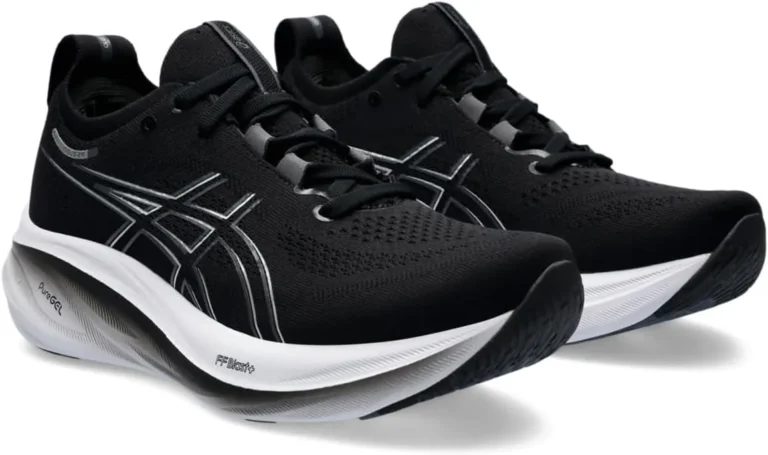
The ASICS Gel Nimbus 27 is a cloud-like cushioning machine. It uses PureGEL technology in the rearfoot to absorb shock on landing. This makes it a top pick for runners and walkers with high arches who need extra padding under their feet.
The midsole features ASICS’ FF BLAST PLUS ECO foam. This material is lighter and bouncier than standard foams. It provides energy return with every step, so your legs stay fresher during long walks or runs.
The knit upper is soft and stretchy. It wraps around your foot like a sock, giving you a personalized fit without pressure points. The internal heel counter keeps your foot centered and stable inside the shoe.
ASICS designed this shoe for comfort-first runners. It excels on pavement, treadmills, and sidewalks. The rubber outsole grips well on both dry and wet surfaces.
Pros:
- PureGEL technology offers excellent shock absorption
- FF BLAST PLUS ECO foam is lightweight and responsive
- Sock-like knit upper provides a comfortable fit
- Great for high arches and long-distance comfort
- Durable rubber outsole with good grip
Cons:
- Runs slightly warm in hot weather
- Higher price compared to budget alternatives
- May feel too soft for people who prefer firm support
4. Skechers Go Walk Arch Fit: Best Budget Sneaker for Arch Support

Last update on 2026-06-09 / Affiliate links / Images from Amazon Product Advertising API
The Skechers Go Walk Arch Fit proves that great arch support does not require a big budget. This shoe features a podiatrist-certified arch support insole that was shaped using 20 years of foot data. It is one of the most affordable arch support sneakers on the market.
The insole is removable, so you can replace it with a custom orthotic if needed. The Ultra Go cushioning in the midsole provides a lightweight and responsive feel. You get support without the heaviness that some orthopedic shoes carry.
The upper uses a breathable mesh fabric that stretches and moves with your foot. The slip-on design with a lace-up front makes it easy to put on and take off. The outsole features Goodyear rubber for long-lasting traction.
This sneaker is perfect for daily walks, errands, and light exercise. It is also machine washable, which is a huge bonus for everyday use.
Pros:
- Podiatrist-certified arch support insole
- Very affordable compared to premium brands
- Machine washable for easy cleaning
- Removable insole for custom orthotics
- Lightweight and comfortable for all-day wear
Cons:
- Not suitable for intense running or sports
- Styling is more casual than athletic
- May lack durability for heavy daily use over time
5. ASICS Gel Kayano 31: Best Stability Sneaker for Overpronation

Last update on 2026-06-09 / Affiliate links / Images from Amazon Product Advertising API
The ASICS Gel Kayano 31 is a legendary stability shoe. It has been helping overpronators run and walk with proper alignment for over 30 years. This latest version introduces the 4D GUIDANCE SYSTEM, which adapts to your foot’s movement in real time.
The midsole combines FF BLAST PLUS ECO foam with PureGEL technology. Together, these materials offer both cushioning and support. The 4D GUIDANCE SYSTEM provides stability without the heavy medial post found in older stability shoes.
The upper uses a structured mesh that holds your foot securely in place. A reinforced heel counter prevents your ankle from rolling inward. The outsole delivers reliable grip on a variety of surfaces.
If your feet tend to roll inward during walking or running, the Kayano 31 is one of the best corrections you can buy.
Pros:
- 4D GUIDANCE SYSTEM provides adaptive stability
- Excellent for overpronation and flat feet
- PureGEL cushioning in the rearfoot
- Structured upper holds the foot securely
- Trusted brand with decades of refinement
Cons:
- Premium price tag
- Heavier than neutral running shoes
- May feel too structured for neutral runners
6. New Balance Fresh Foam X 880v15: Best All-Around Daily Trainer

Last update on 2026-06-09 / Affiliate links / Images from Amazon Product Advertising API
The New Balance Fresh Foam X 880v15 is a dependable daily trainer that balances cushioning, support, and durability. It uses Fresh Foam X midsole technology with approximately 3% bio-based content for a plush and responsive ride.
The shoe has a higher stack height than previous versions. This gives you more foam underfoot and better shock absorption during long walks or runs. The structured upper adds a level of support that many neutral shoes lack.
New Balance designed the outsole with durable blown rubber in the forefoot and solid rubber in the heel. This combination provides flexibility where you need it and durability where you want it. The shoe weighs around 10.5 ounces, which is competitive for its category.
This is a great option for everyday use. It performs well on roads, sidewalks, and treadmills. The 880v15 works for people who need moderate arch support without excessive firmness.
Pros:
- Fresh Foam X midsole offers plush cushioning
- Structured upper adds support for the arch
- Durable rubber outsole for long-lasting wear
- Competitive price for a quality daily trainer
- Available in multiple widths
Cons:
- Design is somewhat plain for fashion-conscious buyers
- Break-in period may be needed for some users
- Not the best choice for speed workouts
7. HOKA Clifton 10: Best Lightweight Sneaker for Arch Support

Last update on 2026-06-09 / Affiliate links / Images from Amazon Product Advertising API
The HOKA Clifton 10 is a fan favorite for people who want maximum comfort in a lightweight sneaker. It weighs just 8.9 ounces for a men’s size 9, making it one of the lightest cushioned shoes available in 2026.
The midsole features new compression-molded foam that delivers a plush underfoot feel. HOKA added an extra 3mm of heel-to-toe drop compared to the Clifton 9. This change creates a smoother transition with each stride.
The breathable engineered mesh upper fits snugly without squeezing. HOKA redesigned the collar and tongue for better ankle comfort. The extended heel crash pad helps absorb impact during heel strikes.
Podiatrists often recommend the Clifton 10 for patients who stand or walk for long hours. It provides solid arch support without the bulk of heavier stability shoes. This makes it ideal for nurses, teachers, and retail workers.
Pros:
- Extremely lightweight at 8.9 ounces
- Plush cushioning with smooth heel-to-toe transitions
- Breathable mesh upper fits comfortably
- Great for standing and walking all day
- Multiple color options available
Cons:
- Less stability than the Bondi 9
- Outsole may wear quickly on abrasive surfaces
- Not recommended for severe overpronation
8. Brooks Adrenaline GTS 24: Best Sneaker for Flat Feet

Last update on 2026-06-09 / Affiliate links / Images from Amazon Product Advertising API
The Brooks Adrenaline GTS 24 is a go-to stability shoe for people with flat feet. It uses Brooks’ GuideRails holistic support system that keeps your feet and knees aligned throughout your stride. This system works differently from traditional medial posts because it only activates when you need it.
The DNA LOFT v2 cushioning provides a balanced and responsive feel. It is not overly soft or overly firm. This balance makes the shoe comfortable for both short walks and long runs. The segmented crash pad ensures smooth transitions from heel to toe.
The shoe carries the APMA Seal of Acceptance and is certified as a PDAC A5500 Diabetic shoe. That means it meets strict standards for foot health and support. The upper features an engineered mesh with a 3D Fit Print overlay for structure.
If you have flat arches and need a shoe that keeps your gait in check, the Adrenaline GTS 24 is a proven performer.
Pros:
- GuideRails support system corrects overpronation
- APMA accepted and PDAC certified for diabetic use
- DNA LOFT v2 cushioning is balanced and comfortable
- Smooth heel-to-toe transitions
- Reliable durability for daily use
Cons:
- Slightly heavier than neutral options
- Narrow fit may not work for wide feet without sizing up
- Styling is more functional than trendy
9. Vionic Walk Max: Best Podiatrist-Designed Sneaker

Last update on 2026-06-09 / Affiliate links / Images from Amazon Product Advertising API
The Vionic Walk Max stands out because a podiatrist actually helped design it. The shoe features Vionic’s VIO MOTION footbed technology. This contoured insole provides three-zone comfort that supports your arch, cradles your heel, and cushions your forefoot.
The midsole uses lightweight rebound technology. It gives you a springy feel with each step, which helps reduce fatigue during long walks. The rocker bottom outsole promotes a natural walking motion by guiding your foot forward smoothly.
The upper combines breathable mesh panels with synthetic overlays for structure. It keeps the shoe light while maintaining shape and support. The shoe is American Podiatric Medical Association (APMA) accepted.
Vionic is a trusted brand among foot doctors. The Walk Max is especially good for people with plantar fasciitis and heel pain. The contoured footbed aligns your foot from the ground up.
Pros:
- Podiatrist-designed VIO MOTION footbed
- Rocker bottom outsole promotes natural walking motion
- APMA accepted for verified foot health benefits
- Lightweight with rebound midsole technology
- Excellent for plantar fasciitis and heel pain
Cons:
- Rocker sole takes some getting used to
- Limited color choices compared to larger brands
- Higher price for a walking-focused shoe
10. New Balance 990v6: Best Premium Sneaker for Arch Support

Last update on 2026-06-09 / Affiliate links / Images from Amazon Product Advertising API
The New Balance 990v6 is a premium sneaker made in the USA. It uses FuelCell midsole technology for superior energy return and cushioning. The ENCAP support system wraps around the midsole to provide excellent stability and arch support.
The upper features a combination of pigskin suede and mesh. This gives the shoe a classic look while keeping it breathable. The build quality is exceptional because each pair is crafted in New Balance’s American factories.
The 990v6 is more than a running shoe. It works as a lifestyle sneaker that supports your feet all day long. Many podiatrists recommend it for patients who want style and function in one package.
This shoe comes with a removable insole, so you can swap in custom orthotics if needed. The rubber outsole provides reliable grip on most surfaces.
Pros:
- Made in the USA with premium materials
- FuelCell midsole provides excellent energy return
- ENCAP system delivers strong arch and heel support
- Removable insole for custom orthotics
- Stylish enough for casual and everyday wear
Cons:
- Most expensive shoe on this list
- Heavier than lightweight running sneakers
- Limited availability in some sizes and colors
How to Choose the Right Sneaker for Your Arch Type
Choosing the right sneaker starts with knowing your arch type. There are three main types: high arches, neutral arches, and flat arches (low arches). Each type requires a different kind of support.
High arches need shoes with extra cushioning. Your foot absorbs less shock naturally, so the shoe must compensate. Look for sneakers with thick midsoles and soft foam, like the ASICS Gel Nimbus 27 or HOKA Bondi 9.
Neutral arches work well with balanced shoes. You do not need heavy stability features. A shoe like the Brooks Ghost 17 or New Balance 880v15 gives you the right mix of cushion and structure.
Flat arches (or flat feet) require stability shoes. Your feet tend to roll inward, which is called overpronation. Shoes like the ASICS Gel Kayano 31 and Brooks Adrenaline GTS 24 have built-in systems that correct this motion.
A simple wet foot test at home can help you identify your arch type. Wet your foot, step on a piece of paper, and look at the imprint. This quick test gives you a good starting point.
Why Arch Support Matters for Your Whole Body
Arch support does more than just comfort your feet. It affects your entire body alignment from the ground up. Your feet are the foundation of your skeletal system. Poor support at the base creates problems all the way up.
Without proper arch support, your ankles collapse inward. This puts stress on your knees and rotates your hips. Over time, this misalignment leads to pain in your lower back, hips, and even your neck.
A good arch support sneaker distributes your body weight evenly. It reduces pressure on specific points like the heel and ball of the foot. This prevents conditions like plantar fasciitis, metatarsalgia, and Achilles tendinitis.
Studies show that people who wear supportive footwear report less joint pain and fewer injuries. Investing in the right sneaker now can save you from expensive medical treatments later.
What Podiatrists Look for in Arch Support Sneakers
Podiatrists evaluate sneakers based on several specific criteria. Understanding these criteria helps you make a smarter buying decision. The first thing they check is the firmness of the midsole. A midsole that is too soft allows your arch to collapse. A midsole that is too firm causes discomfort.
Heel counter stiffness is another key factor. The heel counter is the back part of the shoe that wraps around your heel. A stiff heel counter keeps your foot stable and prevents excessive side-to-side movement.
Podiatrists also examine the torsional rigidity of the shoe. This means they try to twist the shoe. A good arch support sneaker should resist twisting in the middle. It should only bend at the toe area, where your foot naturally flexes.
Finally, they look at the insole contour. A flat insole offers no arch support. A properly contoured insole matches the natural curve of your foot and fills the gap under your arch. Shoes from brands like Vionic, Brooks, and ASICS consistently score well in podiatrist evaluations.
Tips for Breaking in Your New Arch Support Sneakers
New arch support sneakers may feel different at first. Your feet need time to adjust to the new level of support. Here are some practical tips to make the transition smooth.
Start by wearing your new sneakers for short periods. Try 30 to 60 minutes on the first day. Increase the wear time gradually over one to two weeks. This allows your feet, ankles, and calves to adapt to the new alignment.
Wear the right socks with your sneakers. Moisture-wicking socks prevent blisters and keep your feet dry. Avoid cotton socks because they trap moisture and cause friction.
Pay attention to any persistent pain. Mild discomfort during the first few days is normal. Sharp or lasting pain is not normal. If pain continues after two weeks, the shoe may not be right for your foot type.
You can also loosen the laces slightly during the break-in period. This gives your foot extra room to adjust. Tighten them gradually as the shoe molds to your foot shape.
Frequently Asked Questions
What arch type needs the most support in a sneaker?
Flat feet (low arches) typically need the most support. People with flat arches often overpronate, which means their feet roll inward excessively. Stability shoes with medial support and motion control features help correct this. The Brooks Adrenaline GTS 24 and ASICS Gel Kayano 31 are excellent choices for flat feet.
Can sneakers with arch support help plantar fasciitis?
Yes. Sneakers with firm arch support and cushioned midsoles reduce strain on the plantar fascia. This is the band of tissue that runs along the bottom of your foot. Shoes like the Vionic Walk Max and HOKA Bondi 9 are frequently recommended by podiatrists for plantar fasciitis relief.
How often should I replace my arch support sneakers?
Most podiatrists recommend replacing your sneakers every 300 to 500 miles of use. For everyday walkers, this usually means every 6 to 8 months. The midsole foam breaks down over time and loses its supportive properties. Worn-out shoes can actually make foot pain worse.
Are expensive sneakers always better for arch support?
Not always. The Skechers Go Walk Arch Fit is one of the most affordable shoes on this list and it carries podiatrist certification. Price does not guarantee quality. Focus on the shoe’s specific support features, cushioning technology, and fit rather than the price tag alone.
Should I use custom orthotics with arch support sneakers?
It depends on your needs. Many arch support sneakers come with removable insoles that you can replace with custom orthotics. If you have a diagnosed foot condition, your podiatrist may recommend custom orthotics inside a supportive shoe. The New Balance 990v6 and Skechers Go Walk Arch Fit both accept custom insoles easily.
Do I need different sneakers for walking and running?
Generally, yes. Running sneakers have more cushioning and shock absorption to handle higher-impact forces. Walking sneakers focus on flexibility and comfort for low-impact movement. However, shoes like the Brooks Ghost 17 and ASICS Gel Nimbus 27 perform well for both activities.

Hi, I’m Rachel Powell, the founder and creative mind behind FashionBeautyLooks.com. With a passion for all things fashion and beauty, I’ve dedicated my career to helping others discover their unique style and enhance their natural beauty.